

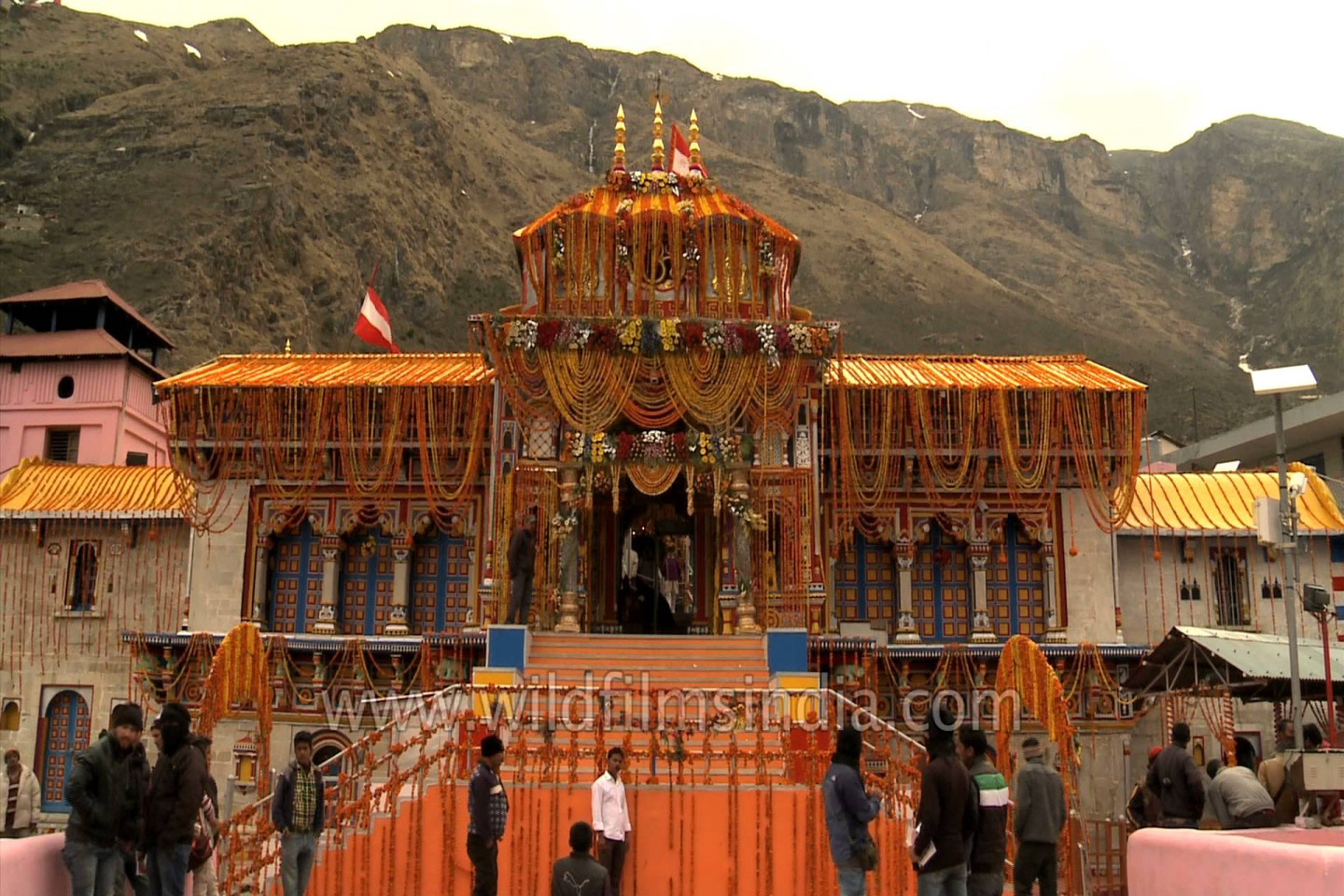
“Char Dham Yatra: A journey of faith, purity, and blessings.”
The Char Dham Yatra of Uttarakhand, which includes Yamunotri, Gangotri, Kedarnath, and Badrinath, is one of the most sacred pilgrimage journeys in the Indian Himalayas. Due to extreme climatic conditions, this holy circuit is accessible to pilgrims only for a specific part of the year. Severe winters, intense snowfall, and closed mountain routes make it necessary for each shrine to follow a fixed annual opening and closing schedule. Being aware of these timelines helps pilgrims plan a safe, comfortable, and spiritually enriching journey.
Unlike temples located in lowland regions, the Char Dham shrines stand at significant altitudes. Travel to these areas becomes possible only after winter snow melts and road conditions improve. In most years, the pilgrimage season starts around mid or late April and continues until late October or early November. During this period, road connectivity, accommodation options, and essential services for pilgrims remain fully functional.
Yamunotri, the first shrine on the Char Dham route and the origin point of the Yamuna River, is traditionally opened in April. The opening ceremony is usually linked with Akshaya Tritiya, an auspicious occasion in the Hindu calendar. As per customary practice, the temple doors open in mid-April once weather conditions allow safe access.
Yamunotri generally closes for the season in late October or early November, before heavy snowfall cuts off the approach routes. The final closing date is determined closer to winter, keeping in mind weather conditions and administrative guidance. Pilgrims are advised to complete their visit well before winter intensifies to avoid travel risks.
Gangotri, revered as the source of the holy River Ganga, follows a seasonal timeline similar to Yamunotri. The shrine usually opens in April after snow clearance makes road travel possible. It remains open throughout the summer months and into the post-monsoon period.
The temple typically closes in late October or early November. Due to its high elevation, weather changes can be sudden during autumn, so the closure decision depends on safety assessments and traditional religious calendars. Many pilgrims visit Gangotri after Yamunotri, following the conventional order of the yatra.
Kedarnath is among the highest and most spiritually significant destinations in the Char Dham circuit. Because of its altitude and prolonged winter snowfall, the temple generally opens a few days later than Yamunotri and Gangotri. The reopening ceremony usually takes place in late April, once access routes and trekking paths are considered safe.
The closing of Kedarnath normally occurs in early November. Since early snowfall can affect roads and walking trails, authorities announce the final closing date after reviewing weather forecasts and safety conditions. Pilgrims should plan their visit within the approved timeframe to avoid unexpected disruptions.
Badrinath, the northernmost shrine of the Char Dham Yatra, opens shortly after Kedarnath. Its seasonal opening is also scheduled for late April, following the completion of snow removal and restoration of road access. Although it lies at a slightly lower altitude than Kedarnath, Badrinath experiences harsh winters that require a clearly defined pilgrimage season.
The temple usually closes in early November, often after important autumn festivals such as Vijayadashami and Bhai Dooj. Once closed, regular darshan ceases for the winter, and road access gradually becomes limited due to snowfall.
The seasonal opening and closing of the Char Dham temples are decided based on religious traditions, prevailing weather patterns, and administrative planning. These dates are crucial for pilgrims, as they indicate when the shrines are reachable, when road travel is safest, and when facilities like transport, lodging, and medical support are available.
Traveling beyond the designated season can result in road closures, landslides during the monsoon, limited services, and potential health risks due to unpredictable mountain weather. Aligning travel plans with official dates ensures a smoother pilgrimage experience.
The Char Dham Yatra calendar follows the natural Himalayan climate cycle. Winter brings heavy snowfall that blocks high-altitude routes and halts travel. With the arrival of spring, snow gradually melts, and by April, road maintenance and clearing operations restore access to the shrines.
During the monsoon months of July and August, landslides and temporary road interruptions may occur, though routes usually remain operational. The period from September to October is often considered ideal due to clearer skies, moderate temperatures, and improved road stability. As winter approaches, the possibility of early snowfall increases, prompting authorities to announce temple closures.
While the official Char Dham season runs from mid-April to early November, two timeframes are especially favorable for pilgrims:
Early Season (May–June)
Roads reopen fully after winter
Weather conditions are generally stable
Clear mountain views and complete pilgrim services
Post-Monsoon Season (September–Early November)
Improved visibility after the rains
Cooler but comfortable temperatures
Roads stabilize after monsoon-related repairs
Choosing either of these periods offers safer travel conditions and more predictable schedules.
Pilgrims are encouraged to include buffer days in their itinerary to manage possible delays caused by weather changes or road work. Even during the official season, mountain travel can be unpredictable.
It is also important to confirm final opening and closing dates announced by authorities each year, as they may shift slightly due to extended winters or early snowfall. Advance booking of transport and accommodation is recommended, especially during peak travel months.
Once the temples reopen, daily darshan, evening aarti, and special puja schedules are observed throughout the season. These timings may vary depending on local traditions and operational considerations. Pilgrims should verify the current schedule closer to their travel dates.
Yamunotri: Opens mid-April, closes late October or early November
Gangotri: Opens mid-April, closes late October or early November
Kedarnath: Opens late April, closes early November
Badrinath: Opens late April, closes early November
This seasonal outline helps pilgrims plan their Char Dham Yatra within a safe, accessible, and spiritually rewarding period.


 English