

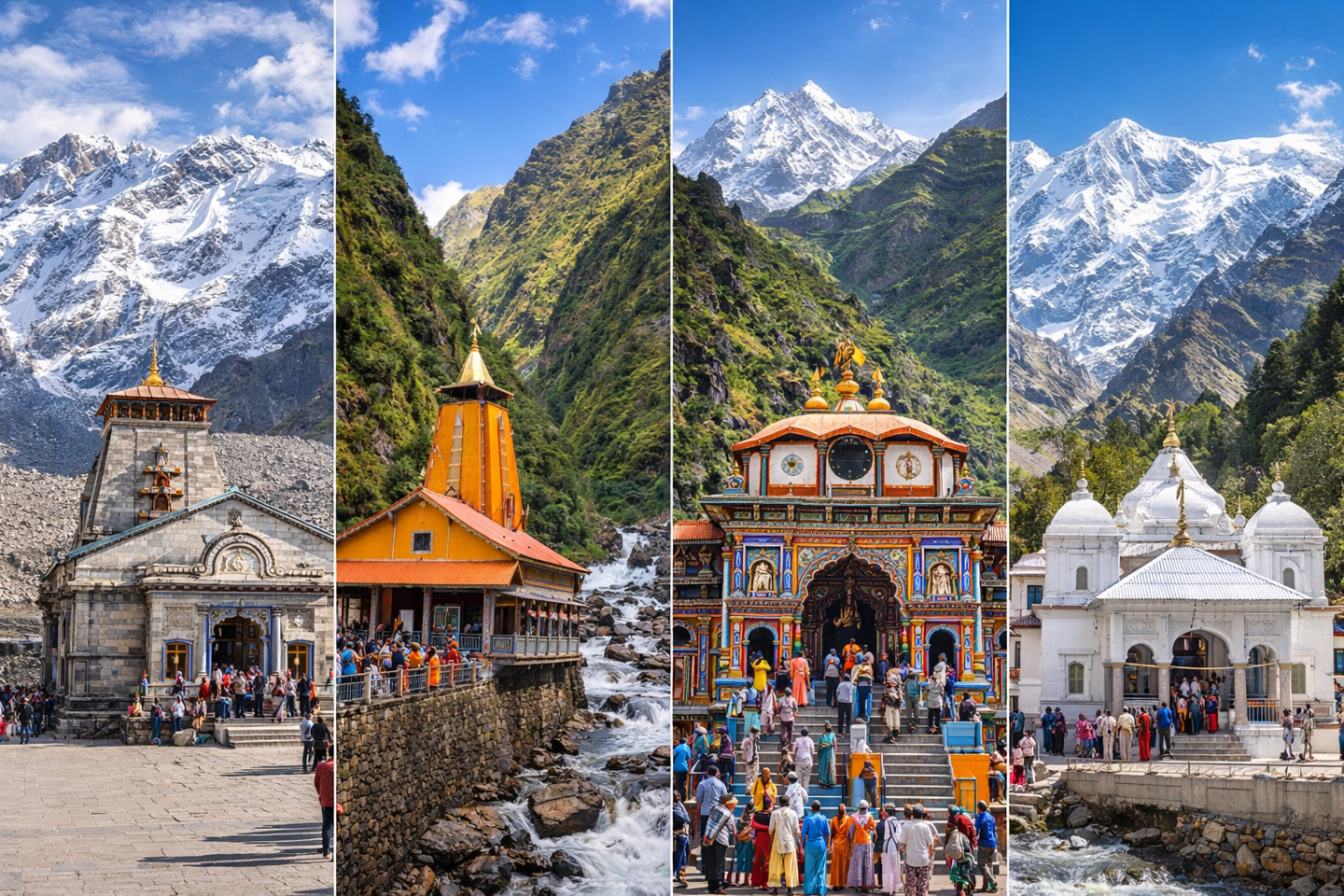
“Char Dham Yatra: A sacred passage of devotion, discipline, and divine grace.” “Four holy shrines, one transformative journey of faith.”
The Char Dham Yatra of Uttarakhand is among India’s most sacred pilgrimages, drawing devotees to the divine Himalayan shrines of Yamunotri, Gangotri, Kedarnath, and Badrinath. More than a religious tour, this journey is a spiritual path that blends devotion, self-discipline, endurance, and the awe-inspiring beauty of the Himalayas.
Careful planning is the key to a smooth and meaningful Char Dham Yatra. With the right preparation—covering routes, transport, accommodation, health, and spiritual readiness—pilgrims can experience the yatra with peace of mind and full focus on their faith.
The Char Dham route passes through high-altitude regions with long travel hours, steep roads, and unpredictable mountain weather. Planning in advance helps pilgrims avoid unnecessary difficulties and ensures a safer, more comfortable pilgrimage.
Each dham in the Char Dham circuit represents a unique spiritual purpose. Visiting them in sequence is believed to purify the soul and bring divine blessings.
Yamunotri, dedicated to Goddess Yamuna, marks the sacred origin of the Yamuna River. Pilgrims traditionally bathe in the hot water springs near the temple before offering prayers. The calm surroundings and mountain silence make Yamunotri a spiritually grounding start to the yatra.
Gangotri is revered as the place where River Ganga descended to Earth. The temple stands alongside the flowing river, offering a tranquil space for worship and reflection. Visiting Gangotri strengthens inner discipline and prepares pilgrims for the higher Himalayan journey ahead.
Nestled amidst towering snow-clad peaks, Kedarnath is one of the twelve Jyotirlingas of Lord Shiva. Reaching the temple involves a challenging trek from Gaurikund, making Kedarnath both physically demanding and spiritually transformative.
The journey concludes at Badrinath, dedicated to Lord Vishnu. Located between the Nar and Narayan mountain ranges, this sacred site represents completion, balance, and divine grace. Pilgrims often experience deep peace and gratitude upon completing the yatra here.
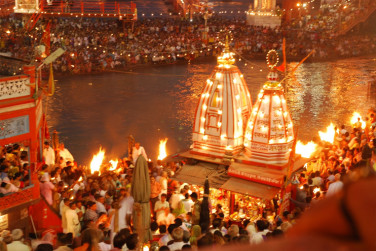
Selecting the right route and transport method plays a crucial role in ensuring comfort during the Char Dham Yatra. Common starting points include Haridwar, Rishikesh, and Dehradun. The choice of route should depend on available time, physical fitness, and travel preferences.
Most pilgrims complete the Char Dham Yatra by road. Well-connected highways link major towns, while taxis, buses, and shared vehicles provide access to each dham.
Advance booking of vehicles is strongly recommended during peak season.
Some temples require short treks, which add both challenge and devotion to the journey:
These treks encourage patience, faith, and connection with nature.
From these points, road transport provides seamless access to the Char Dham circuit.
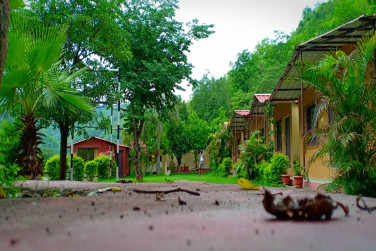
Pilgrims can choose from government guest houses, ashrams, and private hotels located near each dham. Availability is limited during peak months, so advance reservations are highly advisable.
Given the altitude and weather conditions, health preparation is vital for a successful yatra.
Char Dham Yatra is as much a spiritual undertaking as it is a physical one. Pilgrims are encouraged to prepare mentally and spiritually before beginning the journey.
A well-packed bag ensures comfort throughout the journey:
The pilgrimage traditionally concludes at Badrinath, leaving pilgrims with a sense of spiritual fulfillment, gratitude, and inner peace. The memories of sacred rivers, ancient temples, and majestic Himalayan landscapes remain deeply etched in the heart.




 English